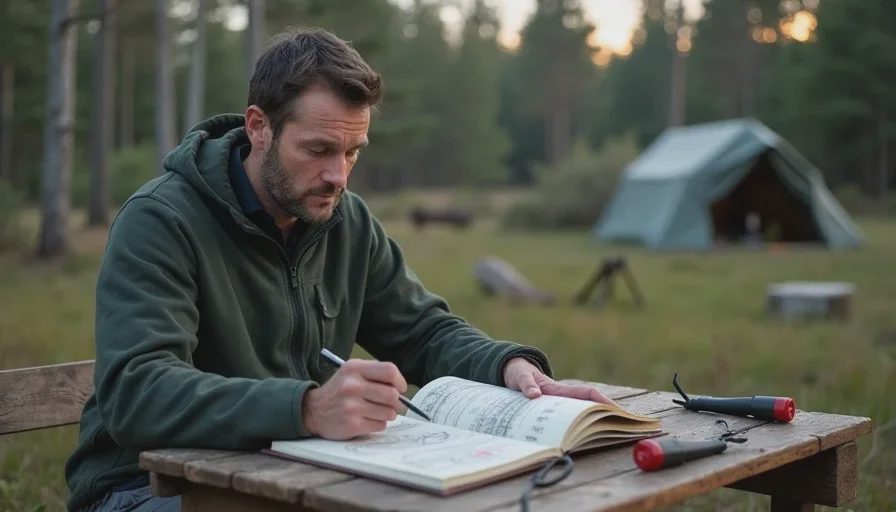
Valheim is a useful teacher because it is patient enough to let bad habits form and then strict enough to punish them later. After many long runs—solo and co-op, successful and restarted—I started seeing the same progression mistakes appear in other survival crafting games. The materials, bosses, and biomes change. The underlying habits do not. This post names the patterns that repeatedly cost time and runs, and the corrections that have transferred cleanly to other titles.
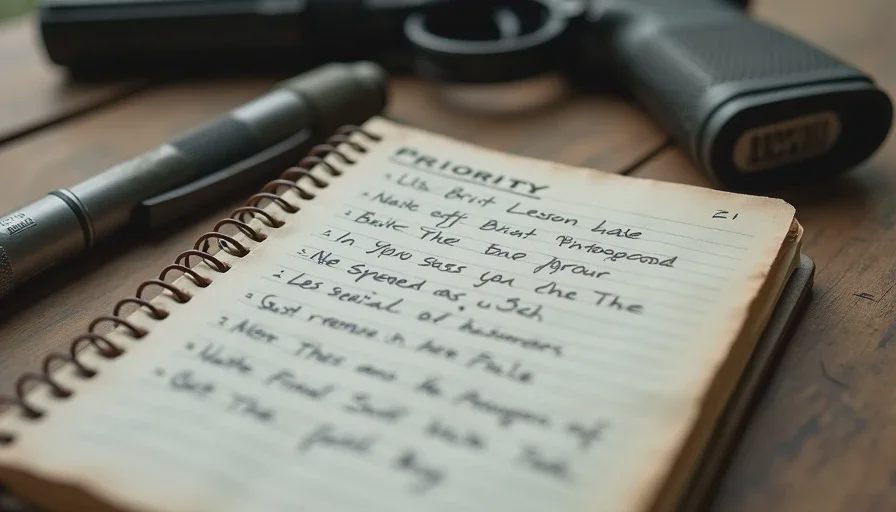
I still keep the same field notebook. The specific entries change by game. The warnings stay relevant.
Habit 1: Treating the Tech Tree Like a Checklist
In Valheim it is easy to unlock and craft items simply because the recipe appeared. The same impulse shows up in almost every survival crafting game. The result is materials spent on tools, stations, or gear that do not remove the current bottleneck while the actual limiting craft waits.
The correction is ranking. Before any non-critical craft, ask whether the item solves an immediate survival problem, speeds a required resource loop, or unlocks the next necessary step. If the answer is no, the recipe stays untouched. Progress is measured by cleared bottlenecks, not by the number of unlocked tiles.
Habit 2: Building the Final Base Too Early
Valheim rewards a modest starter shelter that can be abandoned or converted. Many players instead invest heavily in a first location that looks permanent. When the run later needs better resource access or stronger defense, the sunk materials and emotional attachment make relocation painful.
The same pattern appears across the genre. Early bases should buy time and stability. Midgame and final bases solve different jobs. Treating the first set of walls as the forever home usually means paying for the same functions twice—once in the wrong place and again in the right one.
Habit 3: Ignoring Food and Comfort Until They Become Emergencies
Valheim’s food system is forgiving at first and then suddenly decisive. Players who treat meals as an afterthought enter boss fights or new biomes under-powered. Parallel systems exist in other games: stamina, hydration, temperature, rest, or infection mechanics that stay quiet until they are not.
The transferable fix is to give stability its own loop early. Once the core materials circuit is running, a short, repeatable food or recovery route prevents the background meters from becoming a crisis at the worst moment. Comfort or rest bonuses, when they exist, belong in the same category—scheduled rather than improvised.
Habit 4: Exploring Without a Return Plan
Valheim’s open world invites long scouting trips. Without a clear purpose, a safe return route, and enough supplies to recover from a mistake, those trips often end in lost gear or a long walk back as a ghost. Other survival games offer the same temptation with different window dressing.
A practical rule that travels well: every extended trip needs a written objective, a known retreat path, and enough resources to reset if the objective fails. Exploration is not the absence of a plan. It is a plan whose goal is information or a specific resource rather than permanent movement.
Habit 5: Underestimating Logistics Until the Base Is Full of Junk
In Valheim, portals and cart routes become critical once the run spans multiple biomes. Players who delay any logistics thinking end up with valuable materials stranded or with storage that cannot be searched. The identical problem appears in games that use different transport tools—vehicles, fast travel points, pack animals, or simply better roads.
The habit to install early is basic sorting and short internal paths. Even before advanced transport exists, grouping materials by use and keeping high-frequency stations close together reduces the daily friction that later logistics have to solve. Clean storage is a logistics investment that compounds.
Habit 6: Fighting Bosses (or Elite Threats) on Emotional Timetables
Valheim bosses are designed to test preparation. Groups or solo players who treat the fight as a scheduled event rather than a readiness check often arrive with incomplete food, missing resists, or untested gear. The same emotional timetable—“we have been playing long enough, we should be ready”—appears in other games with different boss or raid structures.
The correction is a short, honest checklist written before the attempt: required food or buffs, defensive layers, escape or recovery plan, and the specific mechanical demand of the fight. If any item is missing, the attempt waits. Time spent preparing is cheaper than time spent recovering from a wipe.
Habit 7: Letting Co-op Multiply Chaos Instead of Labor
Valheim co-op can be extremely efficient or extremely scattered. Without a shared priority list and loose role agreement, four players simply create four overlapping sets of the solo mistakes above. Storage becomes a junk drawer, bases multiply, and progression stalls while everyone is busy.
The transferable practice is minimal structure: one visible priority list for the current session, clear ownership of the core loops, and a single primary base until the group deliberately decides to expand or relocate. Co-op multiplies output only when it multiplies coordination.

How These Habits Interact Across Games
The seven patterns reinforce one another. Checklist crafting produces excess items that fill unsorted storage. An overbuilt early base makes relocation harder when logistics finally demand it. Poor food discipline turns an otherwise prepared boss attempt into a failure. Unplanned exploration loses the gear that the next progression step required. In co-op the problems scale with the number of players.
Seeing them first in Valheim made the same shapes easier to recognize elsewhere. The materials and systems differ. The underlying decisions—rank crafts, stage bases, schedule stability, plan trips, sort storage, prepare for hard fights, coordinate in groups—remain the same.
Practical Corrections That Travel
A short set of habits has proven portable:
Keep a written, ranked priority list of three to five current items or goals.
Build each base stage for its actual job and relocate or convert when the job changes.
Give food, recovery, or comfort its own reliable loop before it becomes urgent.
Leave the base on trips that have a clear objective and a return plan.
Sort storage early so logistics problems stay small.
Attempt hard content only after a readiness checklist is complete.
In co-op, maintain one shared priority list and loose role ownership for the core systems.
None of these require perfect knowledge of a new game. They require the willingness to slow down long enough to rank and sequence.
Final Notes from the Long Runs
Valheim does not invent bad progression habits. It simply gives them enough space to become visible and enough teeth to make the cost obvious. The same habits appear in tighter or looser forms across the survival crafting genre. Players who treat every new title as a fresh set of systems often recreate the same stalls. Players who carry the decision filters forward tend to stabilize faster and waste fewer hours on avoidable restarts.
The notebook is still the same. The entries now include lessons that started in one game and proved useful in others. The core reminder has not changed.
Build what keeps you alive first. Rank the work, stage the bases, and keep the loops honest. The rest of the progression becomes much easier to see.
No letters yet.