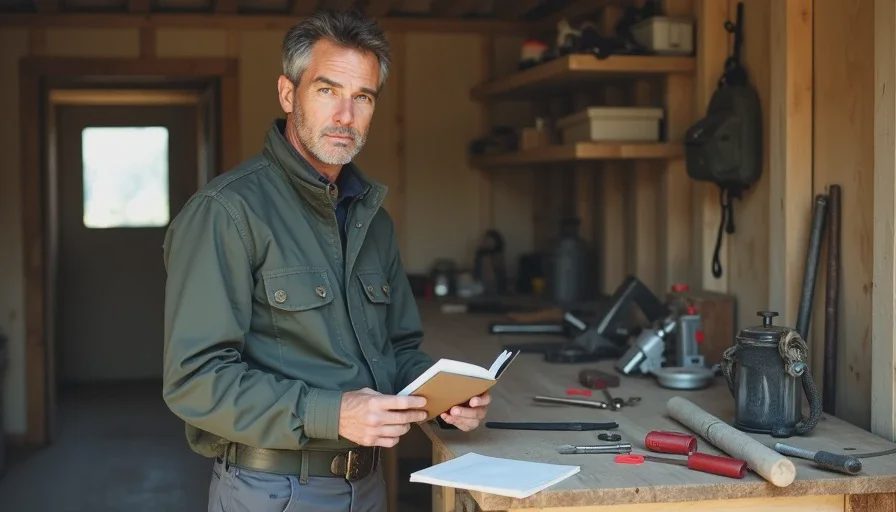
Most survival crafting games open with a long list of early recipes. The inventory fills with possibilities and the impulse is to unlock or craft as many as possible. That impulse is one of the fastest ways to waste the first hour. This guide gives a clear ranking method for deciding what to craft first so the early game stays focused on staying alive and unlocking the next real step.
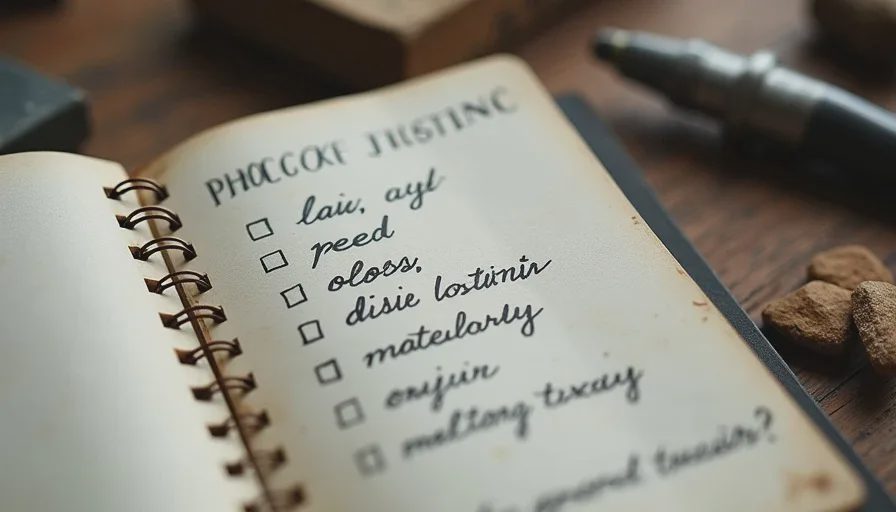
I still write the current crafting priority in the same weatherproof notebook I use for resource loops and base decisions. The list is short on purpose. If an item does not solve an immediate survival or progression problem, it waits.
Why Crafting Everything Early Creates Problems
When every recipe looks useful, players tend to:
Spend limited materials on tools or stations that do not remove the current bottleneck.
Fill inventory and storage with items that will not be used for several hours.
Delay the core loop of gather → process → improve survival capability.
Enter the first threat window with the wrong equipment because attention was split across too many crafts.
The result is a character who looks busy on paper but is still one bad night or one missing material away from a restart. A tighter crafting order reverses that pattern.
The Ranking Filter I Use
Before I craft anything beyond the absolute basics, I run each candidate item through four questions:
Does this item directly improve my ability to survive the next threat or environmental cycle?
Does this item speed up the gathering or processing of materials I already know I need?
Does this item unlock a clear next crafting step that is also high priority?
Can I afford the materials without breaking the core resource loop I just established?
If an item scores clearly on the first or second question, it moves to the front of the list. If it only scores on the third or fourth, it stays secondary. Items that score on none of them stay on the ground or in the recipe list until the situation changes.
This filter is deliberately blunt. It keeps the early crafting queue tied to survival and momentum instead of completionism.
Priority Tier 1: Immediate Survival Tools
These are the items that keep the run from ending in the first threat window.
Typical examples across many games include:
A basic gathering tool that meaningfully increases the rate of the primary resource.
A simple defensive option if night or early enemies are a real pressure.
The minimum light source or environmental protection required to function after dark or in harsh weather.
I craft these before almost anything else. They are not exciting, but they convert the first hour from a scramble into a controlled sequence. Skipping them to chase a more advanced recipe is a common way to lose a run that was otherwise stable.
Priority Tier 2: Core Processing and Storage
Once the immediate survival tools are in hand, the next crafts focus on turning raw materials into usable form and keeping them organized.
This tier usually includes:
The first processing station that converts the primary resource into a more useful state.
Basic storage that prevents inventory overflow from blocking further gathering.
Any simple container or station that shortens the path between gathering, processing, and the next craft.
These items do not look dramatic, yet they remove the friction that turns every resource run into a sorting exercise. I place them close together so the internal walking path stays short.
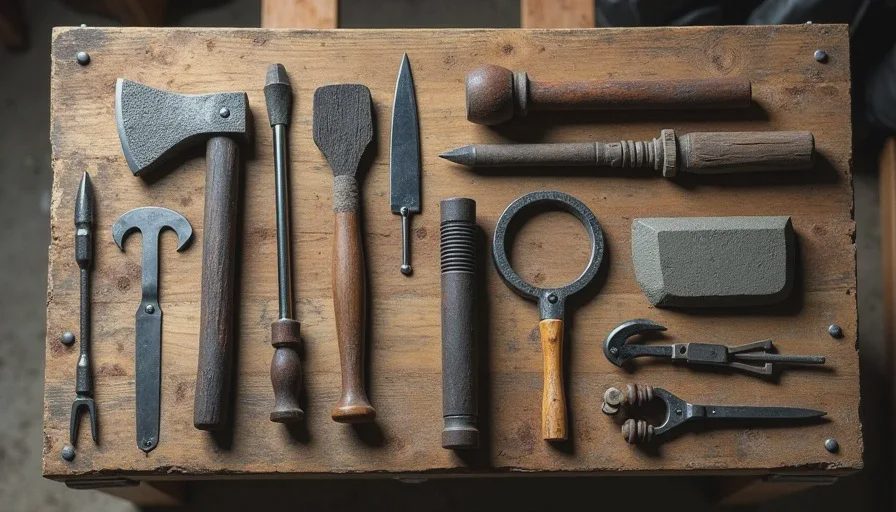
Priority Tier 3: Targeted Upgrades That Clear a Bottleneck
Only after the first two tiers are stable do I look at upgrades. The rule is narrow: craft the upgrade that removes the current limiting factor and nothing else.
Examples of legitimate Tier 3 crafts:
A tool upgrade that clearly increases yield or reduces time on the active resource loop.
A station upgrade that unlocks the next required material conversion.
A defensive improvement that addresses a specific threat the current setup cannot handle cleanly.
I avoid “general improvement” crafts at this stage. If the item does not solve a problem I can point to in the notebook, it waits. This discipline prevents the common mid-early-game stall where the player has many upgraded items but still lacks the one material or capability needed to push forward.
What I Deliberately Leave for Later
Certain categories almost always get deferred in the first hours:
Decorative or comfort items that do not affect survival meters or processing speed.
Multiple weapon variants when one functional option already covers the early threats.
Advanced stations whose input materials are not yet in a stable supply loop.
Anything that requires a long expedition before the core loops and minimum shelter are solid.
Leaving these items uncrafted is not a permanent decision. It is a sequencing decision. The materials and time they would consume are more valuable when spent on the tiers above.
Solo Versus Co-op Differences
In solo play the ranking is stricter because every craft competes for the same limited materials and the same player’s attention. I keep the Tier 1 list especially short and only move to Tier 3 when the base can be left safely for the time required.
In co-op the group can parallelize. One player can finish Tier 1 survival tools while another sets up the first processing station. The ranking filter still applies to the shared priority list. Without it, the group tends to craft overlapping or low-value items and still hits the same bottlenecks later.
Clear ownership of the current crafting priority prevents the common co-op pattern of three people inventing three different “next important” items at the same time.
A Practical Sequence for the First Crafting Session
When the game presents a long early recipe list I follow this order:
Identify the single biggest threat or limitation in the next 30–60 minutes.
Craft the minimum item that addresses it (Tier 1).
Establish or confirm the core resource loop that will feed the next crafts.
Add the first processing or storage item that keeps that loop clean (Tier 2).
Only then evaluate one targeted upgrade that removes the new bottleneck (Tier 3).
Return to gathering and repeat the filter.
This sequence is fast once the habit is formed. It also makes the notebook entry simple: write the current Tier 1–3 items and cross them off as they are completed. Everything else stays off the list until the situation changes.
Common Crafting Mistakes I Still Watch For
Crafting a second or third tool variant before the primary gathering tool is upgraded.
Building an advanced station whose recipe inputs are not yet in stable supply.
Spending the bulk of early metal or rare early materials on a weapon when the real limit is processing speed or storage.
Treating the recipe list as a completion checklist instead of a decision menu.
Each of these mistakes is recoverable, but each one costs time that could have been spent locking in the core loops and the minimum viable base. The ranking filter exists to catch them before the materials are spent.
How the Ranking Evolves
As the run moves past the first few hours the same four questions still apply, only the answers change. A defensive item that was Tier 1 on night one may drop in priority once the base perimeter is solid. A processing upgrade that was Tier 3 may move up when a new material becomes the limiter. The method stays consistent; the contents of each tier shift with the game state.
I update the notebook list whenever a major bottleneck is cleared or a new threat appears. The act of rewriting the short list forces the ranking to stay honest.
Final Notes on Early Crafting Choices
When a game gives you too many options, the useful response is not to craft faster. It is to rank harder. Immediate survival tools come first. Core processing and storage come second. Targeted bottleneck upgrades come third. Everything else waits until it can answer one of the four filter questions with a clear yes.
This approach will not unlock the full tech tree in the first hour. It will keep more runs alive and moving forward instead of stalled under a pile of partially useful items.
Build what keeps you alive first. Craft the items that support that work, and leave the rest of the recipe list until the early foundation is stable.
No letters yet.