
A single under-prepared boss attempt can erase an entire evening. Gear is lost, the group is scattered, and the recovery time often exceeds the length of the fight itself. After enough of those nights I stopped treating boss attempts as spontaneous events and started running a short, written prep list. This post is that list, refined across multiple survival crafting games, including long Valheim runs and similar titles.
The goal is not to make every fight easy. It is to make sure the attempt is deliberate so that failure, if it happens, still yields information instead of pure waste.
Why Boss Fights Turn into Wasted Evenings
Most expensive failures share the same roots:
The group or solo player arrives with incomplete food or recovery buffers.
Key mechanical demands of the fight (range, mobility, specific resists, add control) are only discovered mid-attempt.
There is no clear recovery or extract plan when the first attempt goes wrong.
In co-op, players bring mismatched expectations about roles and timing.
The decision to “just try it” is made when energy and attention are already low.
A short prep list catches these gaps while the cost of fixing them is still low.
The Prep List
I run through these items in order before any major fight that is expected to consume a serious block of time.
1. Confirm the Actual Objective
Write one sentence that states what success looks like for this attempt. Examples: “Learn the first two phases and extract with gear,” or “Full clear with current food and gear.” Ambiguous goals produce ambiguous decisions mid-fight. A clear objective also makes it easier to call an early abort when conditions deteriorate.
2. Food, Recovery, and Sustained Performance
List the exact food or recovery items required to maintain peak performance for the expected duration of the fight plus one full recovery cycle afterward. Check that the required quantity is already crafted and in inventory or easily accessible storage. Running out of buffs or healing mid-fight is one of the most common ways a manageable encounter becomes a wipe.
3. Gear and Loadout Matched to Known Demands
Match the loadout to the fight’s known mechanical requirements rather than to a general “best” set. If the fight punishes low mobility, prioritize movement options. If it features heavy status effects, confirm the relevant resists or cleanses. If adds are the main threat, ensure the group has a plan for them. Any missing piece that can be fixed in base is fixed before departure.
4. Mechanics Review and Role Assignment
For first attempts or infrequent fights, spend a few minutes reviewing the major phases or patterns. In co-op, assign loose roles: who holds attention, who handles adds, who focuses on a specific mechanic, who calls the abort. Even a thirty-second conversation prevents three people from independently inventing three different plans once the fight starts.
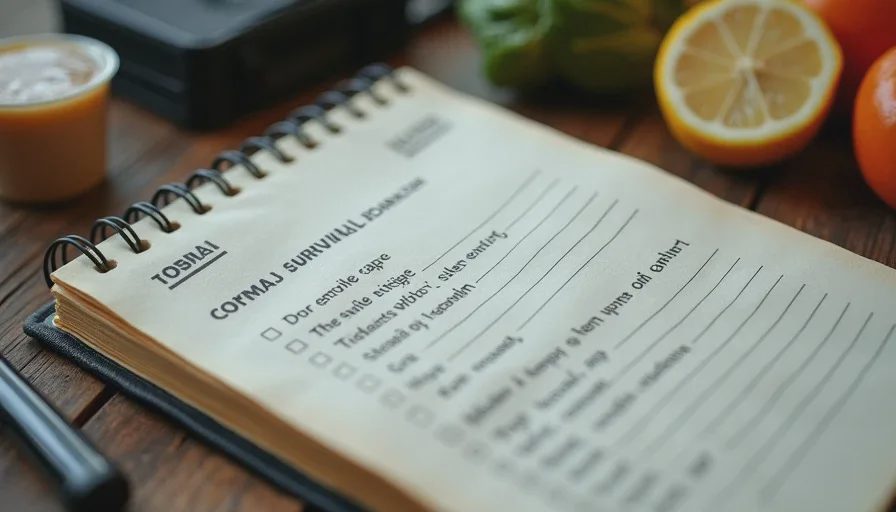
5. Entry, Abort, and Recovery Plan
Decide in advance:
The route in and the staging point before engagement.
The conditions that trigger an immediate abort (low resources, lost key player, unexpected mechanic).
Where recovered gear will be left if a death occurs and how the group will decide whether to retrieve immediately or regroup first.
An explicit abort plan removes the emotional pressure to “finish what we started” when the attempt has already turned unprofitable.
6. Inventory and Weight Check
Confirm that every participant has the required consumables, that inventory space exists for any mission-critical drops, and that carry weight will not impair movement during the fight or the return. Overloaded players turn small mistakes into deaths.
7. Time and Energy Reality Check
Honestly assess whether the remaining session time and group energy are sufficient for at least one full attempt plus recovery. Starting a major fight in the final thirty minutes of a long session is a reliable way to convert fatigue into avoidable losses. Sometimes the correct prep decision is to postpone.
How the List Changes for First Attempts Versus Farm Attempts
On a first attempt the list is heavier on mechanics review, conservative abort conditions, and learning objectives. On subsequent farm attempts the list shortens: food and gear are already proven, roles are known, and the focus shifts to consistency and efficient recovery. The same framework still applies; only the depth of each item changes.
Solo Adjustments
Solo players absorb every role and every failure. The prep list becomes stricter on food buffers, escape options, and abort conditions because there is no partner to revive or retrieve gear. The objective sentence is especially useful: it prevents the solo player from escalating a learning attempt into a stubborn money-pit fight.
Co-op Adjustments
In co-op the list is only effective if it is shared. A single player running the full checklist while others improvise still produces mismatched readiness. A two-minute group pass through the items—objective, food, gear, roles, abort plan—aligns expectations and surfaces gaps while they are still cheap to fix. One person can own the written list; the whole group owns the readiness.
Common Ways Groups Skip Prep and Pay for It
Certain shortcuts repeatedly turn into expensive evenings:
“We already know the fight” when the last attempt was weeks ago or on different gear.
“Food is fine” without counting actual portions against expected duration.
“We’ll figure roles out in the fight.”
“Just one try” with no abort conditions and a full inventory of irreplaceable items.
Starting after the point when attention and patience have already declined.
Each of these skips feels efficient in the moment. The recovery time afterward is rarely efficient.
Integrating the List into Regular Play
The prep list does not need to be a formal ritual. For familiar fights it can be a thirty-second mental pass. For new or high-cost fights it becomes a short written checklist in the notebook or a pinned group note. The habit of pausing before the commitment is the valuable part. The exact format can stay light.
Over time the list also improves future attempts. Notes on what was missing or what mechanic caused the wipe become the starting point for the next prep cycle. Failure turns into data instead of pure loss.
Final Notes on Expensive Fights
Boss encounters and other high-stakes fights are supposed to be challenging. They are not supposed to be random evening-erasing events. A short, honest prep list—objective, food and recovery, matched gear, mechanics and roles, entry and abort plan, inventory check, time and energy check—removes most of the unnecessary ways an attempt can fail before the real fight even begins.
Run the list. Fix what is missing. Only then commit the evening. If the attempt still fails, it fails on the fight’s terms rather than on avoidable preparation gaps.
Build what keeps you alive first. That includes the preparation that keeps the run intact when you choose to take a hard fight.
No letters yet.