The iron river once human region is where careless progression starts costing real time. Enemies hit harder, travel takes longer, and a badly placed base can turn every crafting session into a supply run. You do not need a perfect build here. You need a route, enough ammunition, reliable storage, and a base location that does not create another problem tomorrow.
Iron River is a midgame area in Once Human, and it rewards players who stop treating every landmark as something to loot immediately. Move with a purpose. Secure useful materials first, unlock the facilities that improve your production chain, and leave cosmetic projects for later. Build what keeps you alive first.
What to Prepare Before Entering Iron River
Do not make your first trip with a nearly broken weapon and two pieces of cooked food. Repair your primary weapon, bring a backup melee option, and carry enough ammunition for several fights rather than one optimistic sweep. A simple rifle or crossbow setup works well for controlled pulls, while a close-range weapon handles enemies that reach your position.
Your inventory should include healing items, food, water, a torch or other visibility option, and spare tools. Keep some empty slots available. Iron River can hand you a mixture of ore, components, ammunition, and quest materials, and returning home because your bag filled with low-value junk is a classic way to waste an evening.
Before leaving, check your gear durability and confirm that your territory storage has room. Bring building materials if you expect to establish a temporary outpost, but do not haul your entire base with you. A small operational camp is enough: storage, a bed, basic crafting access, and a way to repair or restock.
The best preparation is route knowledge. Mark a safe return path on the map, especially if you are playing solo. Getting lost while wounded is more dangerous than the enemy camp that started the trip.
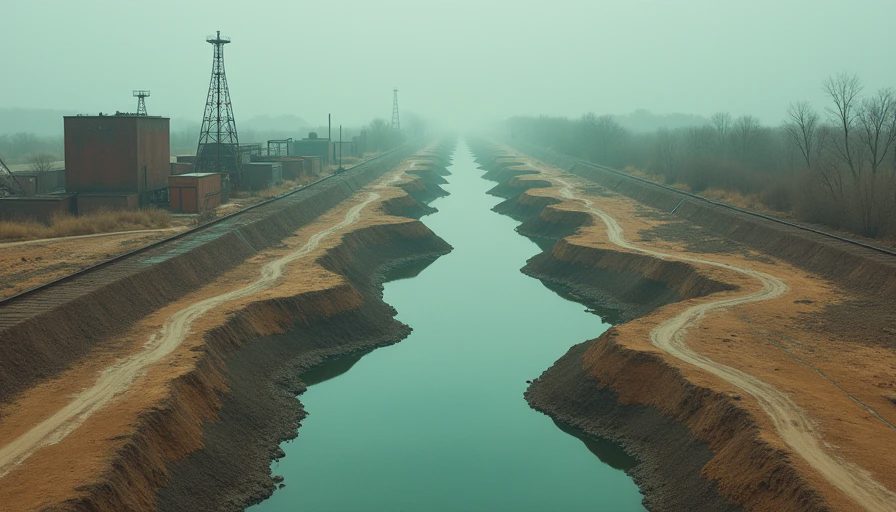
Iron River Once Human Resource Priorities
The iron river once human area is valuable because it supports the equipment and facility upgrades that begin separating a stable settlement from a decorative one. Mine and collect with a priority list instead of grabbing every object in sight.
First, gather the materials required for immediate weapon, armor, and crafting upgrades. Second, collect fuel and basic components that keep your production stations working. Third, stockpile construction resources for expansion. Rare drops and unusual containers are useful, but they should not interrupt a safe route every five minutes.
Ore runs are more efficient when you combine them with a known loop. Start near your base, clear only the threats blocking access, gather along the outside edge of the area, and return through a different line if it contains additional resource nodes. This limits unnecessary combat and gives enemies time to reset behind you instead of surrounding your exit.
Use separate storage categories. One chest for ore, one for weapon components, one for consumables, and one for quest or unknown materials will save more time than a larger backpack. If a material is needed for a station upgrade, label the chest and leave it there. Constantly moving ingredients between boxes is the survival-game version of losing a wrench in a messy garage.
Choosing a Base Location
A strong Iron River Once Human base should solve travel, defense, and production at the same time. Look for a location with reasonable access to roads or water, nearby gathering opportunities, enough flat ground for expansion, and clear sightlines around the structure. A beautiful cliff edge is not automatically a good base if every supply run requires a long climb.
Do not build directly beside a hostile landmark unless you already understand its patrol patterns. Nearby enemies can make crafting annoying, and an accidental combat pull can damage stations or interrupt building. A little distance is usually worth the extra thirty seconds of travel.
Plan the first layout around movement. Place storage close to crafting stations, leave a clear walkway, and reserve one side for future power or production equipment. Keep beds and recovery items away from the front door so a failed return does not become a second fight.
If you are in a group, leave room for shared storage and separate personal crates. Co-op bases become cluttered quickly when everyone drops materials in the nearest container. A basic sign system or naming convention prevents arguments and reduces duplicated gathering.
Clearing Sites Without Burning Your Supplies
Combat in iron river once human locations is easier when you control the first engagement. Use cover, pull one enemy at a time, and avoid standing in open ground while reloading. If a target is outside the group, take the shot from range. If several enemies notice you, retreat around a corner rather than trying to win a bad fight in the middle of a street.
Clear the perimeter before entering a building. This gives you a retreat path and prevents a second enemy group from joining while you search containers. Listen for audio cues, watch doorways, and reload before opening a chest. The few seconds saved by searching while empty rarely justify the risk.
Do not spend premium ammunition on weak targets unless the fight blocks a valuable objective. A melee weapon, basic firearm, or carefully placed ability can handle routine enemies. Save stronger ammunition and cooldowns for elites, bosses, or a rescue situation where escape is not simple.
When you finish a location, leave with the useful items and mark anything you could not yet use. You do not have to solve every locked door during the first visit. Good progression means returning stronger, not repeatedly feeding the same camp your healing supplies.
A Practical Iron River Route
Start by checking your map and selecting one objective: a resource loop, a quest location, or a facility upgrade. Do not combine five unrelated goals unless they sit on the same path. Travel from your base with a full repair cycle, clear the nearest safe section, and place a marker at any useful shortcut or dangerous spawn point.
Once the first objective is complete, sort your inventory before moving deeper. Drop low-value items if your bag is nearly full, but keep quest materials and repair supplies. Continue only if your health, ammunition, and durability support another fight. Otherwise, return, deposit everything, and begin the next run with better information.
For a solo player, two short runs are often better than one ambitious expedition. A group can push farther because one player can watch the retreat while another searches. Either way, the route should end at a base or known safe point, not with a desperate sprint across the map while overloaded.
Common Mistakes That Slow Progress
The biggest mistake in the iron river once human region is building too much too early. Large walls, decorative rooms, and duplicate crafting stations consume materials that should support weapons, storage, and power. Expand when production or defense requires it, not because an empty foundation looks unfinished.
Another mistake is carrying every resource everywhere. Storage exists to reduce decision pressure. Deposit materials often, keep travel kits consistent, and leave rare items at home until you know their purpose.
Players also lose time by fighting every patrol. Combat is a tool, not a sightseeing requirement. If an enemy does not guard a resource, quest, shortcut, or facility, walk around it. Experience is useful, but survival and progress come first.
Finally, do not ignore durability. A damaged weapon can turn a routine building clear into a failed run. Repair before the trip, repair after major fights, and keep a backup option in storage.
Final Iron River Checklist
Before your next iron river once human run, repair your weapons, refill healing items, empty your inventory, and choose one main objective. Mark the route home and bring enough food, water, ammunition, and tools to finish the loop without gambling on a lucky drop.
At the destination, clear from the outside in, search only after the area is controlled, and leave room in your bag for important materials. Back at base, sort everything immediately and spend upgrades on survival, production, and storage before decoration.
Iron River becomes much less punishing once you stop treating it as one giant loot pile. Break it into safe routes, useful facilities, and repeatable supply runs. A good base solves tomorrow’s problem early, and a disciplined route keeps you from solving the same problem twice.
No letters yet.