
Survival crafting games punish wasted hours harder than most genres. You spawn, gather, craft, and then watch a poorly chosen first shelter or a wrong resource loop erase an entire evening. After enough of those restarts I stopped looking for more “beginner tips” lists and started writing the decision order I actually use.
Spawnproof is a survival-crafting guide site built for players who want clear, tested answers instead of fluff. The focus stays on early-game survival priorities, resource routes, base logic, and the hard lessons that come from failed runs. If a piece of advice does not help a real player survive longer, craft earlier, or waste less time, it does not belong here.
The Problem Most Guides Create
A lot of survival content falls into the same traps.
Long lore dumps before any practical order.
Generic “10 tips” that never rank what matters first.
Patch-note speculation that treats every change as equally important.
Base showcases that prioritize looks over walk time, storage flow, or defense.
Players in their twenties to early forties who play Valheim, V Rising, Enshrouded, Sons of the Forest, Once Human and similar titles already know the mechanics. What they need is a reliable sequence: what to stabilize in the first hour, which materials to farm next, where a starter base should sit, and which midgame goals are worth the grind.
I spent years in outdoor gear retail and later warehouse operations. That background trained the same habit I now apply to these games: systems first, decoration later. The same mindset that keeps a warehouse from turning into a junk pile keeps a survival base from becoming one.
What “Field-Tested” Actually Means Here
Every guide on this site is filtered through one question: does this help a player survive longer, build earlier, and waste less?
That produces four consistent habits:
Rank priorities clearly. First-night shelter and food beat decorative walls.
Separate “needed now” from “nice later.” A crafting upgrade that solves a real bottleneck stays; a luxury item waits.
Write like a veteran teammate, not a brand account. No fake urgency, no thumbnail language.
Prefer failure-earned notes over theory. I still keep handwritten progression notes in a weatherproof field notebook—even for video games.

The result is shorter, more usable posts. You will not find novel-length explanations of every mechanic. You will find the order that has kept my own runs from collapsing in the first few hours and the midgame.
How the Four Categories Work Together
The site is organized around the decisions that actually decide whether a run continues.
First Night Wins
Early-game survival priorities, first shelter logic, tool order, food and water stabilization, and the moves that stop most players from sabotaging their opening hours. Solo and co-op openers are treated as different plans because they are.
Resource Routes
Efficient gathering loops, biome sequencing, crafting bottlenecks, storage logic, and progression planning that cuts unnecessary grind without cutting safety. The goal is knowing what to farm, when to move, and what to skip.
Base Logic
Placement, layout, defensive logic, crafting-room flow, expansion timing, and functional design over decorative excess. A good base solves tomorrow’s problems early instead of just looking finished.
Hard Lessons
Boss prep, progression mistakes, patch reactions, co-op role planning, and the opinionated takes that come from rebuilt worlds. These posts exist so you can learn from restarts without having to make every one yourself.
Together they form a single through-line: start strong, build smarter, and stop losing runs to bad early decisions.
A Practical Example of the Approach
In a typical first hour the sequence I use looks like this:
Stabilize basic tools and a minimum shelter that actually blocks the night threats of that specific game.
Secure a reliable food and water loop before expanding the base footprint.
Identify the first real crafting bottleneck and route resources toward it instead of collecting everything in sight.
Place storage and workstations so the walking path stays short.
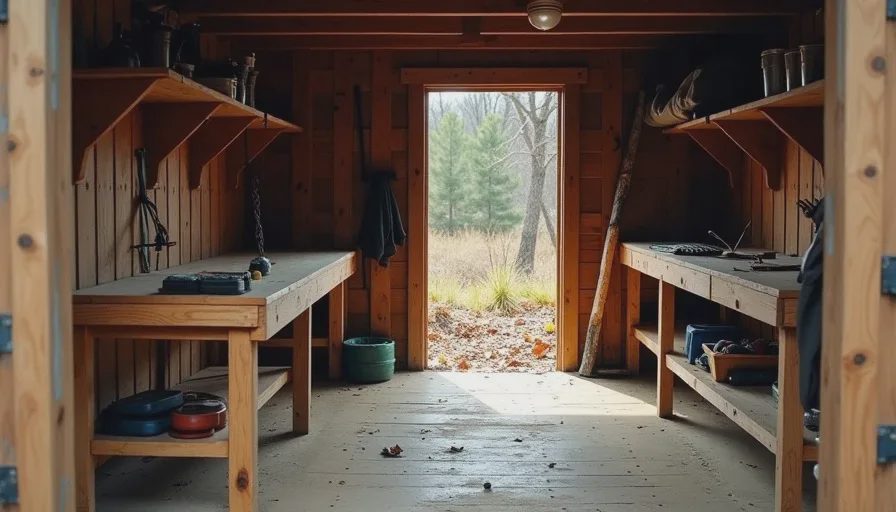
That order has saved more runs than any “perfect” aesthetic layout. The same logic scales into midgame: test whether a new upgrade actually removes a bottleneck before committing hours of travel and crafting time.
Co-op groups collapse for similar reasons—unclear roles, shared storage that becomes a junk drawer, or everyone chasing the same shiny midgame goal at once. Clear role planning and a shared priority list prevent most of those failures.
What You Will Not Find Here
Advice written to chase every rumor or every patch note for clicks.
Guides that treat every feature as equally important.
Content that talks down to players who are still learning the early hours.
Decorative base tours that ignore walk time, storage access, or defensive function.
If a decision does not keep you alive or move the run forward, it waits.
Why the Signature Phrase Matters
“Build what keeps you alive first.”
That line is not marketing. It is the filter. Shelter before style. Food loop before decorative walls. Functional crafting flow before the perfect look. The same rule applies to resource routes and boss prep: solve the problem that ends the run before optimizing the problem that merely slows it.
Players who already understand this still benefit from a clean, consistent version of the same thinking across multiple games. New players get a decision order that reduces the number of hard restarts.
Who This Site Is For
PC and console players who like survival-crafting games but are tired of bloated guides, vague wikis, and content that says nothing useful. The tone stays calm, direct, and practical—the same voice I use when planning a first night or a midgame expansion with friends.
Outside the games I still fish, hike winter trails, and cook over cast iron. The outdoor habits transfer: plan the essentials, test what works, and leave the rest until it is needed.
Spawnproof exists to give those players the same field-tested clarity in written form. The guides are written by someone who plays like a survivor first and a content creator second. If that matches what you need, the four categories and the posts that follow are built for you.
Build what keeps you alive first. The rest can wait until the run is stable.
No letters yet.