The first hour of a survival crafting game decides more runs than any later boss fight. You either stabilize the basics or you spend the next evening restarting from scratch. This guide lays out a clear priority order for early game survival that works across titles like Valheim, V Rising, Enshrouded, Sons of the Forest, and similar games. The goal is simple: keep yourself alive long enough to make better decisions instead of reacting to every new threat or shiny resource node.
I still use a short written checklist before I explore anything. It came from enough failed first nights that I stopped treating the opening hour like free exploration time. The list is not complicated. It is ranked. Everything after the core items waits until the run is no longer one mistake away from ending.
Why Opening Hours Collapse
Most early failures follow the same pattern. Players feel productive while they are actually creating future problems.
Common patterns include:
Exploring too far before they have a reliable place to reset.
Crafting every available early tool instead of the ones that remove immediate bottlenecks.
Starting a permanent-looking base before they understand local resources, threat cycles, and travel times.
Ignoring food and water until the meters are already in the danger zone.
Filling inventory with low-value items that block the materials needed for the next real step.
These choices feel like progress in the moment. They are not. A solid first hour is about reducing the chance that the first night, the first environmental shift, or the first combat encounter ends the run. Everything else is secondary.
I learned this the hard way through long solo and co-op sessions. The runs that survived the opening stretch almost always followed a tighter order than the ones that looked more “complete” after sixty minutes.
The Priority Order I Actually Use
Here is the sequence that has kept my own runs from collapsing in the opening stretch. It is deliberately short. If a step does not protect the run or unlock the next necessary action, it does not belong in the first hour.
1. Basic Tools That Solve the First Bottlenecks
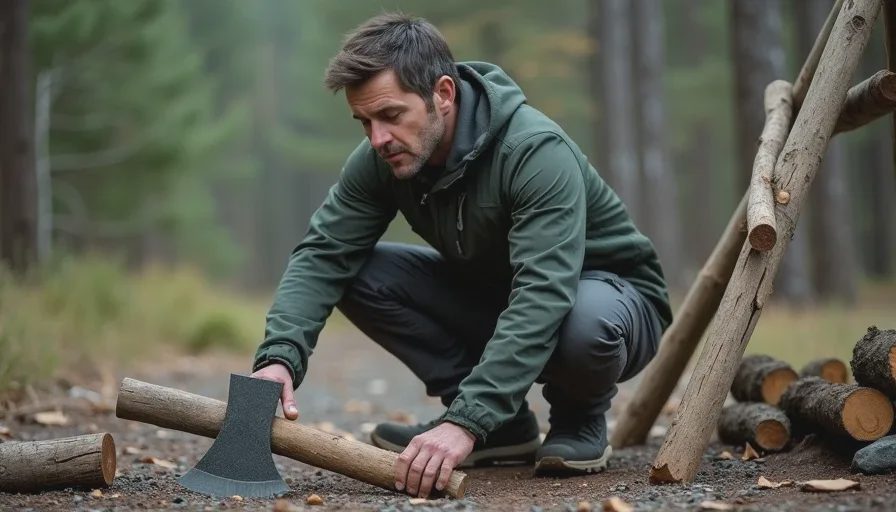
Craft only what removes the immediate limits on gathering and basic defense. In most games that means a tool for the primary resource (wood, stone, or the local equivalent) and a simple option for dealing with early threats if they appear before nightfall or the first danger cycle. Skip the full early crafting list. Extra tools become weight, inventory clutter, and lost minutes.
I treat the first tool set the same way I used to stage a warehouse starter kit: enough to function, nothing that only looks useful. If a tool does not speed up the next required material or keep you alive through the first threat window, it waits.
2. A Minimum Shelter That Actually Functions
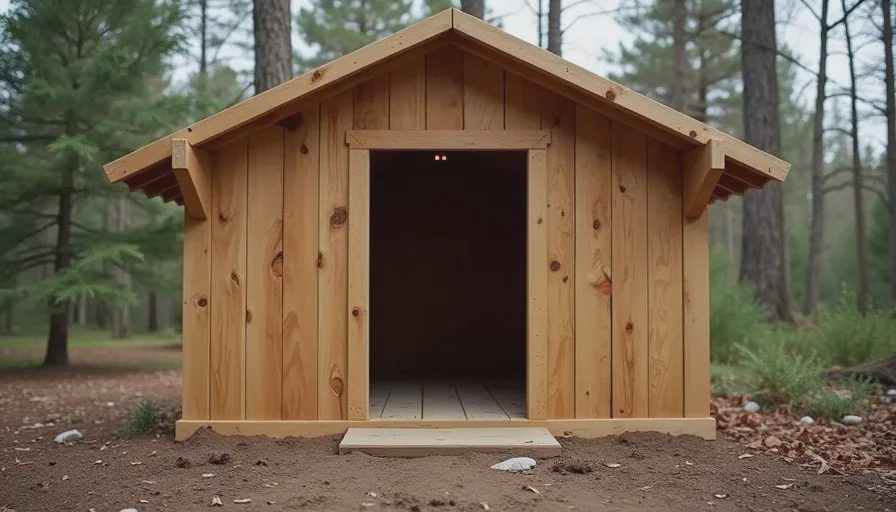
The first shelter does not need to look finished or permanent. It needs to block the specific threats of that game’s early cycle. Four walls and a roof that stop the local enemies or environmental damage are enough. Place it close to the starting resources so return trips stay short.
Building a large or decorative base in the first hour is one of the fastest ways to run out of food, get caught outside after dark, or realize the location has poor long-term access. A functional minimum shelter buys time. A pretty incomplete base spends it.
3. Food and Water Stabilization
Before you expand the footprint or push into a new area, lock in a repeatable way to restore food and water. This can be a short gather loop, a basic cooking or purification step, or the nearest reliable source that does not require a long trip. The exact method changes by game, but the principle stays fixed: you should be able to reset those meters without leaving the safe zone for an extended period.
If food or water is still a scramble at the end of the first hour, the run is already operating on borrowed time. Later expansion only makes the problem worse.
4. A Short, Repeatable Resource Loop Near the Shelter
Identify two or three materials you will need in the next few hours and set a short loop that brings them back reliably. Do not collect everything you see. Early hoarding creates inventory chaos, slows movement, and hides the real bottlenecks.
I mark the loop the same way I used to mark restock paths in warehouse operations: shortest safe route, highest useful yield for the time spent. The loop should feel almost boring. Boring is stable.
5. A Clear Decision Point Before Further Exploration
At the end of the first hour I stop and answer three questions out loud or in the notebook:
Can I survive the next danger cycle without scrambling?
Do I have a repeatable food and water method?
Is the next crafting or building step clear, or am I still guessing?
If any answer is no, I stay and fix it. Exploring while those answers remain open is how most early runs end. The map will still be there after the basics are stable.
Solo Versus Co-op Adjustments
The core order stays the same. The execution changes with the number of players.
In solo play you cover every role yourself. That raises the priority of shelter and the food-water loop because there is no one else to watch meters or hold a position while you gather. You also need stricter inventory discipline. Every slot matters more when you are the only one carrying materials.
In co-op the group can split the first-hour work. One player can secure the minimum shelter and basic tools while another locks the food and water source. A third can start the short resource loop. The advantage only holds if the group shares the same priority list. Without it, people scatter, duplicate effort, and recreate the same early problems later as missing materials or an undefended camp.
I have watched co-op runs collapse in the second hour because the first hour looked busy but produced no shared stable base. Clear roles and a common checklist prevent most of that.
Common Pitfalls That Still Appear
Even experienced players fall into these traps when the new game excitement is high:
Crafting the “upgraded” early tool before the basic one that actually gathers the needed material faster.
Choosing a shelter location for looks or a nice view instead of resource access and return time.
Ignoring the local day-night or threat cycle while chasing a distant node.
Filling the inventory with low-value or “maybe later” items that block the materials required for the next real step.
Treating the first hour like a free exploration window instead of a systems check.
Each of these feels minor while it is happening. Together they turn a controllable opening into a restart. The notebook habit helps because it forces the ranking before the impulse decisions take over.
How This Order Continues Past the First Hour
Once the basics are stable, the same thinking scales. The next resource loop replaces the first one when the materials change. The starter shelter becomes a temporary outpost or gets upgraded only when a new location solves a clear problem (better access, safer defense, shorter crafting path). Crafting priorities stay tied to the next actual bottleneck rather than the full technology list.
I still write the current priority list in the same weatherproof field notebook. The specific items change by game and by patch. The habit of ranking what keeps the run alive does not. That habit is the real carry-over skill across survival crafting titles.

Practical Notes for Different Game Paces
Some games give you a longer safe window before the first major threat. Others apply pressure almost immediately. In faster-threat games the shelter and basic defensive option move up in the order. In slower-threat games you can spend a few extra minutes tightening the resource loop. The ranking logic stays identical; only the timing of each step shifts.
The same applies to games with heavier inventory limits or more punishing carry weight. Those titles reward even stricter early filtering of what you pick up. The short resource loop becomes more important because backtracking costs more.
Final Check Before You Push Outward
Treat the first hour as a systems check, not a sightseeing tour. Secure the tools that remove the first bottlenecks. Build a shelter that actually functions for the local threats. Stabilize food and water so the meters are no longer an emergency. Set a short, repeatable resource loop. Then stop and confirm the three decision questions before you explore further.
That order will not make the game easy. It will keep more runs alive long enough for the interesting midgame decisions to begin. Most of the content that comes after the first hour only matters if you still have a living character and a functional starting point.
Build what keeps you alive first. The rest of the map can wait until you can return to it on your own terms.
No letters yet.