Most V Rising castle builds fail for a simple reason: they are designed to look impressive before they are designed to function. Your first castle needs to protect you from sunlight, organize crafting, support servant work, and leave room for the next tier of progression. If you place every room wherever there is open ground, you will eventually spend more time moving materials than hunting V Blood carriers. These V Rising castle builds focus on practical survival, clean movement, and expansion without tearing down half your base.
Choose the Location Before You Place the Heart
A good castle starts with the Castle Heart, not the walls. Look for a location near a road, useful resources, and a reliable route to your current hunting targets. You do not need to sit beside every mine or lumber patch. You need a position that lets you leave quickly, return before daylight becomes a problem, and move heavy resource runs into storage without a long detour.
Height and terrain also matter. A compact plateau with limited approaches is usually easier to defend than a wide, attractive clearing. Avoid building so close to a neighboring territory that your expansion options disappear. On a PvP server, check nearby roads and common travel paths because players naturally investigate obvious castles. On PvE, prioritize travel efficiency and buildable space instead of defensive paranoia.
Place the Heart near the center of your planned footprint. That gives you room to extend outward in more than one direction. Keep the first floor compact, but do not build directly against the Heart with every station. You want a central anchor and flexible space around it.
The Best Early Layout Is a Work Loop
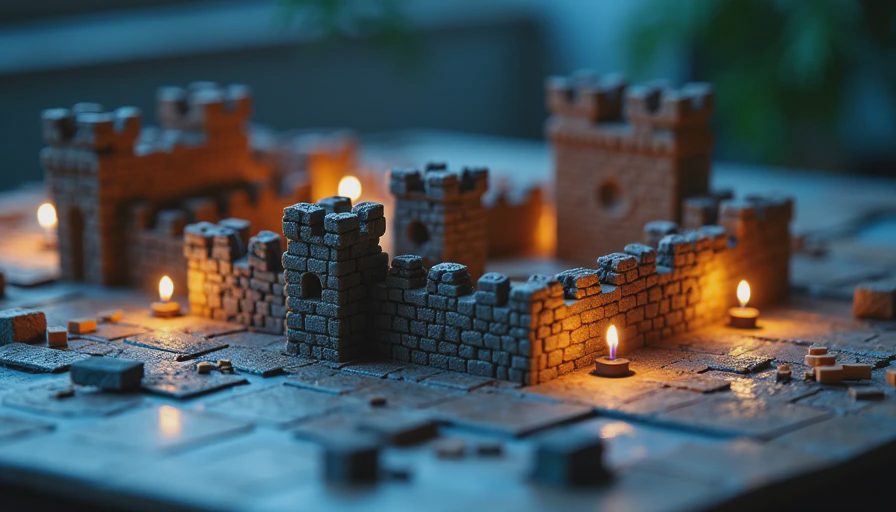
Early V Rising castle builds should follow a simple loop: enter, unload, craft, refine, repair, and leave. Storage belongs close to the entrance or the main unloading route. Put basic resources such as stone, wood, plant fibers, and animal hide in clearly labeled chests near your first crafting stations. Keep high-value materials in a separate room once your storage grows.
Place the sawmill and grinder where you can feed them directly from nearby storage. The furnace and blood press deserve their own practical corner because they consume materials and can remain active while you hunt. Do not scatter stations across several rooms just to make the castle feel larger. Walking ten seconds between stations sounds harmless, but repeated trips become a serious time drain during long crafting sessions.
A useful early floor can fit the Heart, storage, crafting stations, servant coffin, and a small production area. That is enough. A grand entrance hall is a luxury item, not a survival item. Build what keeps you alive first, then decorate once your resource pipeline is stable.
Room Bonuses Should Drive Your Expansion
As soon as the game allows specialized rooms, reorganize around their bonuses. Workshop stations should share a dedicated room, while the forge and metalworking equipment deserve another. Alchemy belongs in a separate space, and jewelcrafting can occupy a smaller room near the routes used for high-tier crafting. These bonuses reduce material costs and improve the value of every future production run.
One of the most reliable V Rising castle builds uses a central hallway with production rooms on both sides. This arrangement makes expansion predictable. You can add a tailor room, prison area, servant wing, and storage vault without cutting through existing floors. Leave a few spare tiles around major stations because recipes and progression unlocks will add equipment you did not have during the first building session.
Do not chase perfect room symmetry. A room that saves resources and keeps machines close together is successful even if its shape is uneven. Function comes before screenshots.
Storage: Build for the Mess You Will Actually Make
Storage is where many V Rising castle builds collapse. A single chest for everything works for about an hour. After that, you lose time sorting cotton, ores, gems, plants, hides, and consumables while enemies wait outside or the sun climbs overhead.
Create broad categories early. Use one area for basic building materials, one for refined materials, one for plants and alchemy ingredients, one for weapons and armor components, and one for blood-related supplies. Keep unsorted loot in a temporary chest near the entrance. Empty that chest after every major expedition instead of allowing it to become a permanent junk pile.
You should also reserve space for large storage units before your castle feels crowded. If a room has no open wall for additional chests, the layout is already working against you. Strong V Rising castle builds plan storage vertically and along low-traffic walls, leaving the center clear for movement.
Defensive Design Without Wasting Floor Space
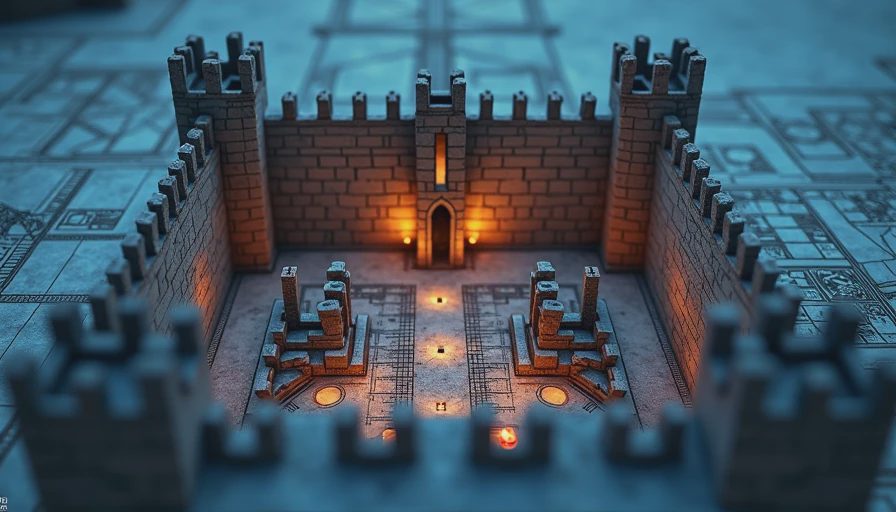
Castle walls are useful, but the first defense is a controlled approach. Use gates to create a clear entrance and avoid leaving multiple open paths into your production rooms. Keep valuable crafting stations away from the outer wall when possible. If an enemy reaches the perimeter, you do not want the first room they enter to contain every important machine and chest.
In PvP, layered defenses matter more than decorative towers. A gate, courtyard, interior door, and separated storage area force attackers to spend time and reveal their route. In PvE, defenses still help against raids and interruptions, but you can spend more space on production and servants. Put servant coffins where they are accessible but not directly beside your entrance, and leave enough room to move around them when assigning tasks.
Sunlight protection should influence your roof and courtyard design. Open courtyards look excellent, but they can turn daily travel into a damaging sprint. Use covered paths, shade sources, or enclosed corridors between key rooms. A base that lets you move safely at noon is worth more than one that only looks good at night.
Expansion Plan for Midgame and Beyond
Do not rebuild your entire castle every time you unlock a new station. Good V Rising castle builds grow in layers. The first layer is survival: Heart, storage, basic production, and a safe sleeping area. The second adds specialized crafting rooms and better sorting. The third introduces servant management, prison cells, blood processing, and dedicated gear storage.
Before expanding, decide which wall will move outward. Build the new room beyond that wall, then connect it with a corridor. This keeps your original production loop intact. If you need to relocate a station, move one category at a time and keep the old area usable until the new room is ready.
A practical midgame castle might include a central storage hall, workshop, forge, alchemy room, tailoring room, prison wing, servant wing, and a protected outdoor area. You do not need all of those immediately. Unlock them when your resource routes and boss progression demand them.
A Fast Build Checklist for a New World
Start by placing the Heart in a central, expandable position. Build only enough floor for shelter, storage, and essential stations. Establish separate chest categories before your inventory becomes unmanageable. Add production rooms when their bonuses reduce a material bottleneck, not simply because the room is available. Keep entrances controlled, valuable equipment away from the perimeter, and travel routes shaded wherever possible.
When reviewing your castle, ask three blunt questions. Can you unload a full run in under a minute? Can you reach every active production station without crossing the whole base? Can you expand without destroying your existing storage system? If the answer is no, fix the layout before adding decoration.
The strongest V Rising castle builds are not necessarily the biggest. They are the ones that shorten routine tasks, protect valuable progress, and leave enough room for tomorrow's unlocks. Build what keeps you alive first. Once the castle works like a well-packed field kit, make it beautiful.
No letters yet.