The best once human base builds are not the ones with the tallest towers or the most furniture packed into every room. They are the bases that shorten crafting trips, protect your valuable facilities, and leave enough room to grow when the next tier unlocks. In Once Human, your territory is a working camp before it becomes a home. Build what keeps you alive first, then worry about the view.
A strong starting base needs three things: a sensible location, a clean route between important stations, and enough open space for upgrades. A pretty layout that forces you to cross the yard every time you need a furnace will waste more time than you think. A compact base beside useful resources can save several minutes on every crafting cycle and make dangerous supply runs easier to manage.
Pick a Location That Solves More Than One Problem
Your first territory should sit near practical resources, not just near a scenic cliff. Look for trees, stone, water access, and a road or fast-travel point within a reasonable trip. You do not need every resource at your doorstep, but you should avoid a location that turns basic gathering into a long hike.
Flat ground is usually worth more than a dramatic hillside. Uneven terrain can leave gaps under foundations, complicate walls, and make later expansion frustrating. Before placing the Territory Terminal, walk a full circle around the proposed site. Check for hostile creatures, awkward slopes, blocked building space, and enough room for production buildings outside your first shelter.
Good once human base builds also account for nearby threats. A base placed in a quiet area is easier to defend than one built beside a busy enemy route. If you are playing with friends, leave room for shared storage, extra crafting stations, and a larger perimeter. A solo starter camp and a four-player headquarters should not use the same footprint.
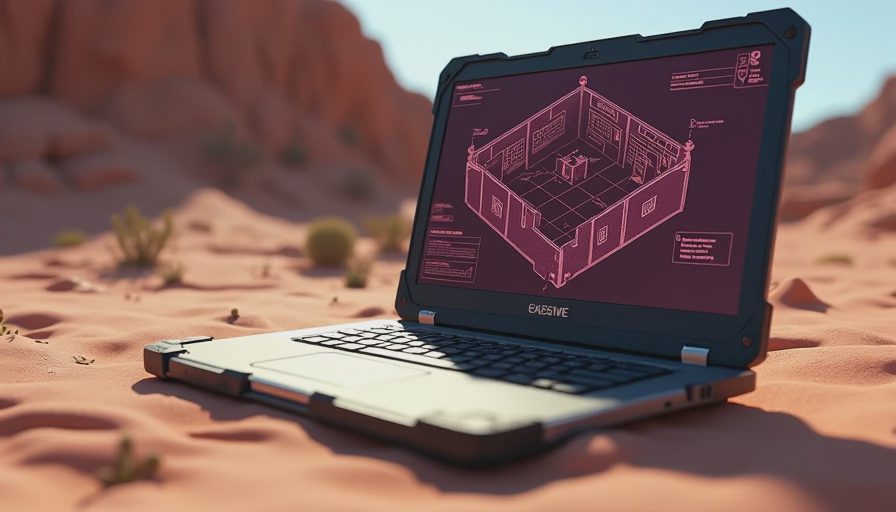
Start With a Functional Floor Plan
Use a simple rectangle for the first structure. Put the entrance on one short side and reserve the opposite wall for storage or production. This makes the room easy to navigate and gives you a predictable expansion direction. Avoid building a maze of tiny rooms early. Walls and doors cost materials that are better spent on tools, ammunition, and essential stations.
Place storage close to the entrance so you can unload after a gathering run without walking through the entire base. Put crafting stations along one wall, leaving a clear central path. The exact furniture arrangement is less important than avoiding clutter around interactive objects. If you can reach a workbench, storage container, and exit in a few steps, the layout is doing its job.
Many once human base builds fail because the player fills the first room with decorative items. Chairs, lights, shelves, and extra partitions look useful, but they consume space and can make access points harder to recognize. Add them after your production chain works. That is a luxury item, not a survival item.
Separate Production From Living Space
Once your basic shelter is secure, divide the base into working zones. A production room can hold furnaces, crafting benches, disassembly equipment, and other stations that benefit from being close together. A storage room should sit next to it, with enough wall space for additional containers as your material collection grows.
Keep beds, comfort items, and personal decoration in a separate room if you want the base to feel organized. This is not only about appearance. Separating living and production areas makes it easier to identify missing stations and reduces the chance that a new wall blocks a machine. It also gives you a clear expansion plan: add another production bay instead of rebuilding the entire house.
Power deserves its own attention. Put generators and other power-related equipment where you can inspect them easily, but do not bury them behind furniture or defensive structures. Leave access around machines so you can replace, upgrade, or reposition them without dismantling half the building. Treat cable and power planning as part of the floor plan rather than an afterthought.
Build Defense Around Access and Visibility
Defensive walls are useful, but a thick wall alone does not make a secure base. Start by controlling the approach to your entrance. Use a gate or narrow entry path that lets you see incoming enemies before they reach important equipment. Keep the area immediately outside the door clear enough for combat and repairs.
Do not place valuable production stations directly against the outer wall. If enemies damage that side of the structure, you do not want every important machine exposed at once. A small buffer between the perimeter and your main rooms gives you time to respond and makes repairs less disruptive.
For once human base builds in dangerous areas, use height and sightlines carefully. A raised platform can improve visibility, but it should connect to the main structure through a route you can defend. Random towers scattered around the territory often cost materials without improving security. One useful lookout near the entrance is better than three decorative towers with no clear purpose.
Plan Expansion Before You Need It
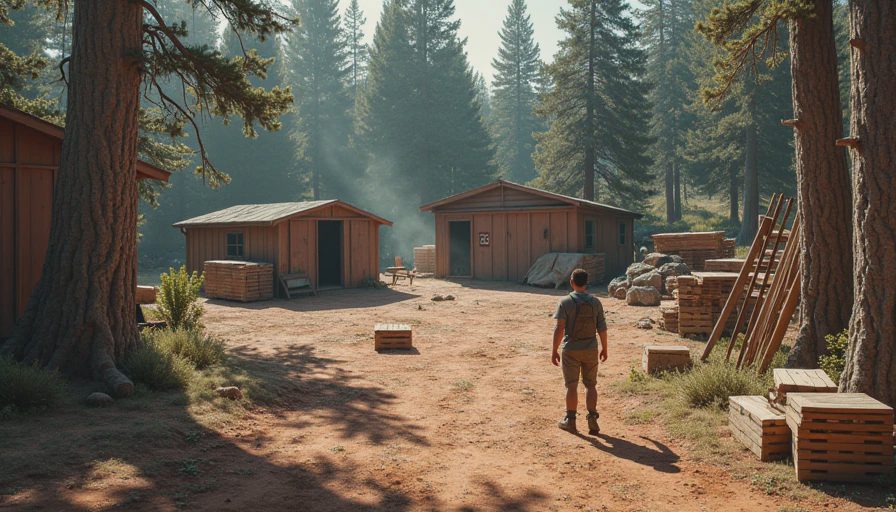
The most common base mistake is building the final-looking house too early. Early materials are limited, and your priorities will change as you unlock more technology. Leave one side of the starter building open for expansion. You may need space for additional storage, specialized crafting stations, power equipment, or a separate room for a later production chain.
Think in modules. A storage wing, production wing, sleeping area, and defensive perimeter can each grow without forcing a complete rebuild. If you want a larger compound, make the first building the center of a plan rather than the whole plan. This approach saves time because you can add a room when the need appears instead of demolishing a crowded interior.
Strong once human base builds also use consistent spacing. Align foundations, keep corridors wide enough to move equipment around, and avoid placing permanent walls where a future doorway might go. A few minutes with a rough layout can save a full evening of dismantling and replacing materials.
A Practical Upgrade Order
Upgrade the base in this order: secure the location, establish storage, improve production flow, add power capacity, then reinforce defenses and decoration. If your storage is constantly full, another bedroom will not solve the problem. If your production stations are scattered, stronger walls will not make crafting faster.
When deciding between two upgrades, ask which one removes the next recurring inconvenience. More storage is usually valuable when every supply run ends with sorting. Better power support matters when machines cannot run efficiently. A wider production room matters when you are repeatedly moving stations to make space. Spend materials on the problem you face every session, not the feature that looks impressive in a screenshot.
For solo players, compact once human base builds usually outperform oversized compounds during early progression. A smaller footprint means less construction material, shorter walking routes, and fewer surfaces to repair. Groups can justify larger layouts, but only when every room has a job and someone is responsible for maintaining it.
Final Checklist Before You Commit
Walk through the base as if you just returned from a dangerous run. Can you unload quickly? Can you reach food, healing items, storage, and crafting stations without crossing unnecessary rooms? Is the entrance visible from the main work area? Can you expand without removing the central production line?
Then inspect the outside. Look for gaps in the perimeter, awkward terrain, hidden approaches, and machines exposed to attack. Check that generators and important stations remain accessible. Finally, stand near the entrance and look back at the building. If the route feels confusing now, it will feel worse after adding ten more containers and several new stations.
The strongest once human base builds are practical before they are impressive. They reduce walking, protect progress, support the next unlock, and leave room for mistakes. Start with a clean rectangle, build what keeps you alive first, and let the compound grow only when the game gives you a real reason to expand.
No letters yet.