If you are searching for a larger backpack enshrouded players can craft early, the answer is tied to progression rather than a random chest drop. You need to advance your crafting setup, locate the Hunter, and collect the right materials before the upgrade becomes available. Carrying capacity sounds like a small convenience, but in Enshrouded it changes how far you can travel, how much building material you bring home, and how often you abandon useful loot beside a ruin.
The first mistake is treating storage as the main problem. A bigger personal inventory helps on expeditions, but it does not fix a badly organized base or a poor gathering route. Build what keeps you alive first: a flame altar, reliable weapons, basic armor, a shelter, and workstations. Then pursue the backpack upgrade when your regular trips start ending because every slot is full.
How to unlock a larger backpack in Enshrouded
The path to a larger backpack enshrouded players usually want begins with the Hunter survivor. Once you rescue the Hunter and bring that NPC to your base, you gain access to useful survival recipes, including backpack improvements. If the recipe does not appear immediately, check the Hunter's crafting menu and complete the nearby survivor-related objectives. Enshrouded gates several practical recipes behind NPC progression, so simply collecting materials is not always enough.
You should also place the Hunter somewhere safe and make sure your flame and crafting stations are progressing normally. Recipes can depend on the current game version, your survivor unlocks, and the materials you have already discovered. The menu is the reliable source for the exact requirements. Do not waste an hour chasing a recipe from an old video if the ingredients shown there no longer match your world.
The materials generally push you toward leatherworking, cloth production, and more advanced gathering. That is useful progression, not busywork. While you work toward the upgrade, collect animal hides, plant fiber, string, linen, and other cloth-related materials whenever they fit into your route. Keep a small reserve at your base instead of converting everything immediately into decorative furniture or spare weapons.
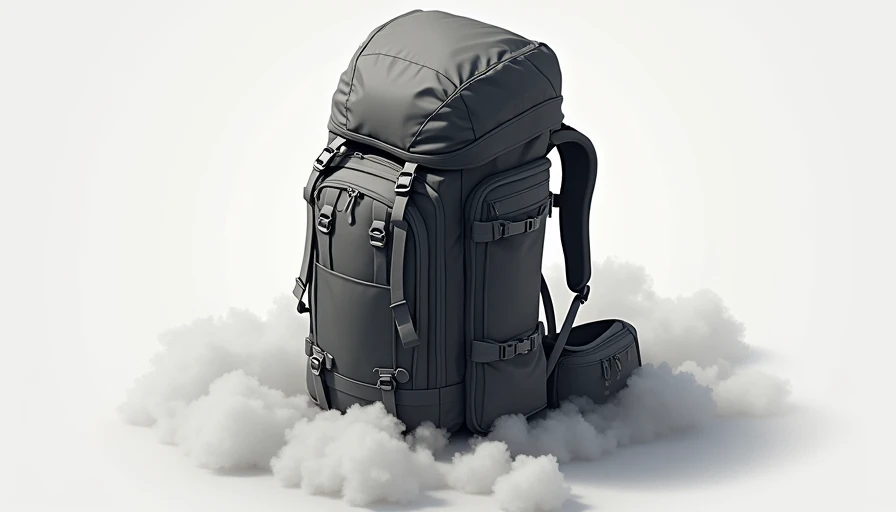
What a backpack upgrade actually changes
A larger backpack enshrouded players craft through the Hunter increases the number of inventory slots available while exploring. It does not make individual items weigh less, remove the need for storage, or protect equipment if you die. The value comes from fewer forced returns. You can clear more containers in a collapsed village, gather more ore near a mine, or collect several types of plants before heading back through the Shroud.
That extra space is especially valuable for players who gather mixed resources. A mining trip rarely produces only ore. You may also find charcoal, salt, plant fibers, weapons, armor pieces, and crafting components. Without an upgrade, you are constantly choosing between a chest item and the materials needed to get home safely. With additional slots, you can make that decision at the end of the run instead of halfway through it.
The upgrade does not justify reckless travel. Enshrouded still rewards planned routes. If your expedition crosses a dangerous area, bring healing items, a backup weapon, and enough Shroud survival time to return. Empty slots are useful, but they are not more important than surviving the trip.
Best time to chase the upgrade
The best time to pursue a larger backpack enshrouded upgrade is after your first stable base is operating. You should have a bed, a flame altar with reasonable reach, basic storage, and a dependable way to cook or prepare healing supplies. Before that point, detouring for cloth or leather can slow down the equipment that actually keeps you alive.
A simple test works well: leave your base for a planned gathering trip and note why you return. If you are coming home because your weapon broke or your healing supply ran out, improve your equipment first. If you are returning with several empty equipment slots but no room for ore, hides, plants, or chests, the backpack has become the next sensible target.
Solo players usually feel the upgrade sooner because one character must handle gathering, combat, building, and hauling. In co-op, the decision depends on roles. A builder may need more stone and wood space, while a fighter can prioritize weapons and consumables. Still, at least one player should upgrade early so the group does not leave valuable materials behind after every landmark.
Inventory habits that make the upgrade better
Even with a larger backpack enshrouded expeditions can become cluttered if you carry every object you find. Before leaving, move spare armor, duplicate weapons, and building pieces into storage. Keep your hotbar focused on combat and survival items. A common setup includes a main weapon, backup weapon, shield or ranged option, healing supplies, food, and a torch or utility item.
Use separate storage containers for building materials, crafting ingredients, equipment, and valuables. This sounds basic, but it prevents the familiar base problem where you spend five minutes searching for linen before every trip. Label containers with a clear purpose in your own head, even if you do not use signs. When you return, unload immediately. A backpack upgrade saves time only when your base storage remains usable.
Gather by route rather than by impulse. If you need ore, visit the mine, nearby ruins, and return path in one loop. If you need hides, combine hunting with another objective instead of crossing the map solely for animals. The goal is to bring home a useful batch of materials, not to fill every slot with unrelated debris.
Mistakes that waste the most time
One mistake is waiting for a perfect backpack before exploring. You can make strong early progress with limited capacity by marking resource locations and returning with a clear purpose. Another mistake is carrying rare items through a dangerous zone when a quick trip home would secure them. If you have found an important weapon or valuable crafting component, bank it before continuing.
Players also waste time by dismantling useful gear too quickly. Compare new armor and weapons at your base, where you can think clearly. If you are unsure, store the item until you know whether its material is easy to replace. Inventory pressure is annoying, but destroying something useful just to create one empty slot can cost more than walking home.
Finally, do not confuse a larger backpack enshrouded upgrade with permission to ignore base design. Build storage near the Hunter, crafting stations, and your main entrance. Good bases solve tomorrow's problem early. A short unloading path makes every future expedition more efficient than a decorative room placed far from your workstations.
The practical progression order
For most new worlds, rescue the Hunter when you can do so without abandoning basic survival needs. Establish storage and gather the cloth, leather, and fiber materials shown in the recipe. Craft the backpack upgrade, then immediately test it on a medium-length route rather than a dangerous deep expedition. You will learn how much extra capacity helps your particular play style.
After that, improve the systems around it. Add more containers, refine your gathering loops, and keep a spare set of equipment at home. The backpack is most valuable when it supports a repeatable route: leave prepared, collect a defined group of resources, return before danger compounds, and unload everything in the correct place.
A larger backpack enshrouded players can unlock through the Hunter is a practical milestone, not an endgame trophy. Chase it once your base and survival tools are stable, use the extra slots for planned hauling, and stop treating every trip as an emergency. Build what keeps you alive first, then build the carrying capacity that lets you bring the whole run home.
No letters yet.